Montana Emergency Savings: Could You Cover a $1,000 Surprise?
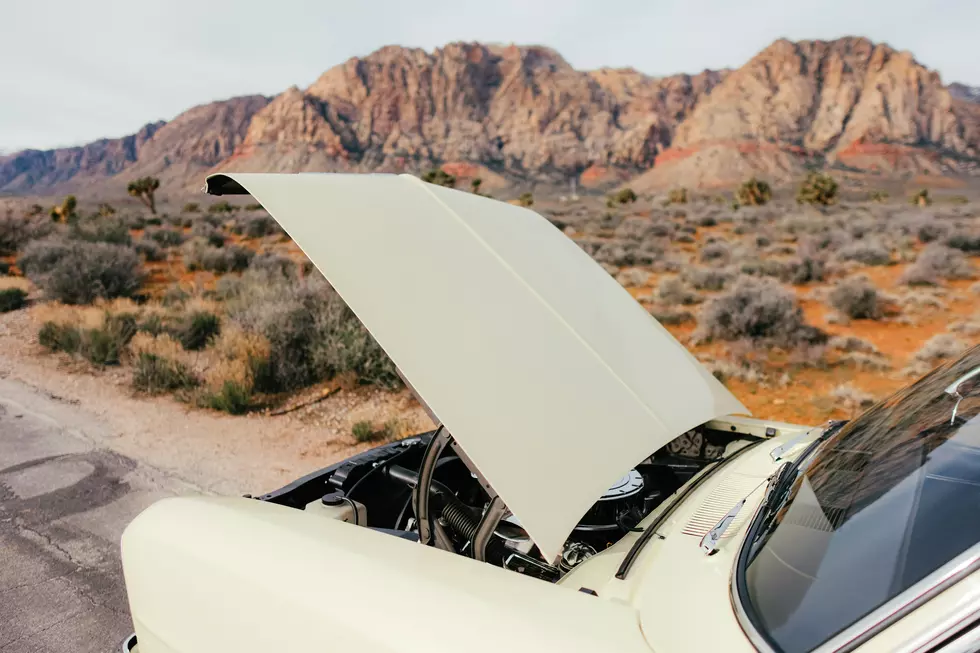
This year has been a strange one for my family. The car needed a few unplanned repairs, and the house needed attention, too. We also had to book a few unexpected flights to care for family members. If you’ve flown lately, you know how quickly those tickets can add up. Every few weeks, it seemed, another unexpected expense came along and needed our time and money.
Thankfully, my husband and I had some savings set aside. It wasn’t a fortune, but it helped us handle each problem and get on with our week. I keep thinking about how much harder this year would have been without that cushion.
If you’re in Montana and have had a year like that, you’re not alone. A car repair, a broken furnace, or an unexpected medical bill can quickly put pressure on a household budget.
Could Your Montana Household Cover a $1,000 Emergency?
Bankrate found that only 30% of Americans would use their savings to pay for an unexpected $1,000 expense. Fewer than half said they had enough cash or access to money to cover a bill that size.
The survey found that 33% would borrow money or use a credit card and pay it off later. Another 10% said they would cut spending in other areas to cover the cost.
These are national numbers, not a separate count of Montana households. Still, they show how a surprise bill can leave many people looking for a way to pay.
Even a $400 Bill Can Be Hard to Cover
A Federal Reserve survey of household finances found that 63% of adults could cover an unexpected $400 expense with cash or its equivalent, such as a credit card they would pay off right away. The other 37% said they would borrow, sell something, or be unable to pay the bill.
That kind of expense may sound manageable until it lands on top of rent or a mortgage, groceries, utilities, and other bills. For Montana families who rely on a vehicle to get to work, school, or appointments, an unexpected repair can be especially stressful.

A Small Emergency Fund Can Still Help
Financial experts often suggest saving several months of essential expenses. That can feel like a huge goal, especially when your budget is already stretched.
But you don’t have to reach that amount all at once. If you can, start with what fits your budget. Even putting aside $50 this month gives you something to use the next time an unexpected bill shows up.
A Consumer Financial Protection Bureau study found that people with some emergency savings were less likely to report that money controlled their lives than people with none. Savings can’t prevent a car from breaking down or a furnace from failing, but even a small cushion may give you more room to handle the cost.
Montana families aren’t singled out in these national surveys, so the figures don’t tell us exactly how households here are doing. But a surprise expense can happen anywhere. This year reminded me how helpful it can be to set aside even a little money before the next thing breaks.
Helpful Tips to Help You Save Money
Gallery Credit: Billy Jenkins
8 Easy Ways to Save Money on Gas Right Now
Gallery Credit: Unsplash/TSM